Keeping our bodies strong, energized, and sharp starts with proper nourishment—and the secret to healthy aging might be right in your refrigerator.
Vitamin B12 is a nutrient that plays a quiet yet crucial role in maintaining overall health. Also known as cobalamin, this water-soluble vitamin is essential for forming red blood cells, synthesizing DNA, supporting cell metabolism, and maintaining a healthy nervous system. Because the body doesn’t produce B12 on its own, we must rely on food and, when needed, supplements to meet our nutritional needs.
Whether you’re looking out for your own wellness or caring for an aging loved one, Charles E. O’Dowd, MD, FACP, of Highland Medical—Clarkstown Medical Associates, shares insights into this essential vitamin, including why B12 matters and how getting enough can support energy, nervous system health, and overall vitality.
Your grocery list
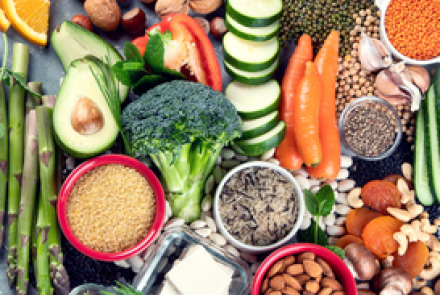
From seafood, to meat, to dairy: Vitamin B12 can be found in a variety of food you might already be eating.
B12 is found naturally in animal products, as well as fortified foods that are easy to digest and incorporate into meal planning,
said Dr. O’Dowd. If you’re wondering if you have B12 rich foods in your fridge, Dr. O’Dowd shared the following list:
- Fish & Seafood: Salmon, trout, tuna, and sardines are rich sources that are easy to chew and cook.
- Dairy & Eggs: Milk, yogurt, cheese, and eggs offer accessible ways to add B12 to breakfast or snacks.
- Lean Meats & Poultry: Beef, chicken, and turkey provide high-density nutrients.
- Fortified Options: Fortified breakfast cereals, plant-based milks, and nutritional yeast offer excellent options—especially for those with lower stomach acid, as the synthetic B12 used in fortification is easier for the body to absorb.
The power behind B12
Maintaining healthy B12 levels directly supports quality of life by targeting critical areas of aging.
This vitamin is key in combatting brain fog, supporting memory, preventing anemia, restoring energy, supporting balance and mobility, and protecting heart health, decreasing the risk of heart disease,
said Dr. O’Dowd.
While incorporating B12 into our diet is important for every stage of life, getting enough becomes significantly harder as we age,
Dr. O’Dowd explained. Stomach acid plays an important role in helping the body absorb vitamin B12 from food, but acid production can decline with age. Certain medications commonly used by older adults—including metformin for diabetes and proton-pump inhibitors (PPIs) for acid reflux—can also interfere with B12 absorption, potentially increasing the risk of deficiency.
Because of these factors, up to 20% of adults over age 60 have a borderline or deficient B12 level. This deficiency can cause fatigue and weakness, neurological symptoms such as numbness, balance issues, or trouble walking, cognitive decline such as memory loss and confusion, and permanent nerve damage.
Get ahead
If you or an older family member is experiencing any signs of a B12 deficiency, speak with your doctor to test your levels. This can be measured in a standard blood test,
says Dr. O’Dowd.
Whether it’s a B12 vitamin, or a regular B12 injection, if needed your doctor will prescribe the next best step in increasing your B12 levels and restore your energy and vitality.
For more information, visit: www.highlandmedical.co/primary-care or call 845-352-5900.