A plant-based diet can help preserve your favorite memories—and then some!
Dr. Alina Sardana, DO, of Highland Medical -- Clarkstown Medical Associates shares facts and food to help keep your brain strong and provide overall preventive care.
As primary care physicians, we frequently get asked Is there anything I can eat to protect my memory?
The science says yes. Food isn't a cure for dementia, but it's one of the modifiable levers we have — and it works best as a lifelong habit. The brain changes that lead to dementia begin building in midlife, so choices in your 30s, 40s, and 50s matter.
What is dementia? Dementia is a progressive decline in memory, thinking, and daily function beyond normal aging. Alzheimer's disease causes 60–70% of cases, followed by vascular dementia. Age is the biggest risk factor, but dementia is not an inevitable part of aging — and up to 40% of risk is tied to modifiable factors like blood pressure, diabetes, smoking, and diet.
How many people are affected? About 57 million people worldwide had dementia in 2021, projected to roughly triple by 2050. In the US, Alzheimer's-related dementia affects about 6.2 million adults 65+ (11.3%). For reliable, updated statistics: the CDC, Alzheimer's Association (annual Facts and Figures report), WHO, National Institute on Aging, and the Global Burden of Disease study.
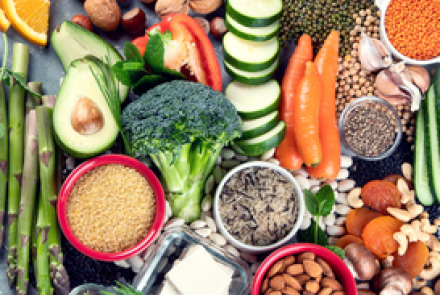
Best foods for brain health: The evidence favors overall patterns — the Mediterranean, DASH, and MIND diets — built on plants and minimally processed foods. Prioritize:
- Green leafy vegetables (daily)
- Berries (a few times weekly)
- Other vegetables, nuts, whole grains, beans/legumes
- Fish and seafood
- Olive oil as the main fat
Limit red and processed meat, fried foods, sweets, and sugary drinks.
After 50, pay extra attention to: protein at each meal (beans, fish, nuts) to preserve muscle; vitamin B12 (absorption drops with age); calcium and vitamin D; and fiber plus hydration for gut and brain health.
Does it actually lower dementia risk?
Yes — with quality being key:
- A 2025 meta-analysis (700,000+ adults) found a healthy plant-based diet was linked to 26% lower risk of cognitive decline and 15% lower dementia risk.
- The Mediterranean and MIND diets were tied to 21% and 14% lower dementia risk, respectively.
- An unhealthful plant-based pattern (refined grains, sugary drinks, sweets) raised risk.
Most evidence is observational, and one randomized MIND-diet trial showed only modest effects — so diet is one meaningful piece of prevention, not a guarantee.
Why food protects the brain: it reduces vascular injury, lowers inflammation and oxidative stress, and supplies key nutrients.
What's good for your heart is good for your brain.
Bottom line: Build most meals around vegetables, berries, whole grains, beans, fish, and olive oil; cut back on processed meat, fried food, and sugar. After 50, mind your protein, B12, vitamin D, and hydration. Add exercise, sleep, and social engagement. It's never too early — or too late — to start.
This information is for general education and isn't a substitute for individual medical advice. To get connected with Dr. Sardana, www.highlandmedical.co/specialties/primary-care/clarkstown-medical-associates or call 845-352-5900.