Powering through pain isn’t a treatment for any condition; it’s your body’s way of signaling that something isn’t right. For many women, that pain is endometriosis
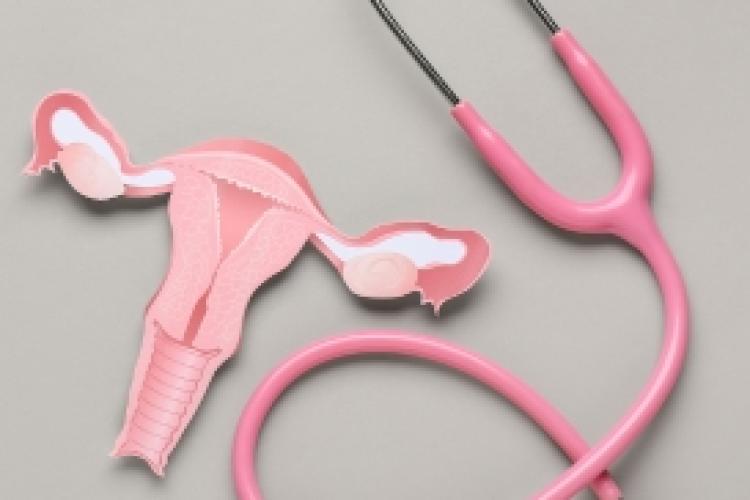
Endometriosis is a chronic condition, where tissue similar to the inner lining of the uterus (the endometrium) grows outside the uterus. These growths can appear on the ovaries, fallopian tubes, pelvic peritoneum (lining), bowel, bladder, and sometimes even beyond the pelvis, such as the diaphragm.
Unlike normal uterine lining, which is shed during menstruation, these abnormal implants cause inflammation, leading to scar tissue and adhesions, ovarian cysts (chocolate cysts
or endometriomas), issues with fertility, and chronic pelvic pain.
Endometriosis affects about 1 in 10 women of reproductive age worldwide, with most diagnoses between ages 20 and 40. While improved technology and greater awareness have increased diagnoses, the condition remains underdiagnosed.
Daniel Cibulsky, MD, an obstetrician-gynecologist at Rockland OBS-GYN, shares insight into this condition—and reminds women that they don’t have to suffer in silence.
More than a bad period
Dr. Cibulsky notes that endometriosis presents differently for each woman.
Endometriosis can range from very mild to severe, but the amount of disease does not always match the level of pain a person experiences.
Many people experience symptoms such as painful periods, which can worsen over time; chronic pelvic pain; pain during intercourse; pain with bowel movements or urination, especially during menstruation; heavy menstrual bleeding; abdominal bloating (also known as endo belly
); fatigue; lower back pain; and, in some cases, infertility or difficulty conceiving. Digestive symptoms may include nausea, diarrhea, or constipation.
How did I get endometriosis?
The exact cause of endometriosis is not fully understood, and Dr. Cibulsky said several theories explain how it develops. It is also likely that different mechanisms occur in different patients.
The classic theory, long held, is retrograde menstruation,
in which menstrual blood flows backward through the fallopian tubes into the pelvis, allowing endometrial-like cells to implant outside the uterus.
But this likely does not tell the whole story, because a high percentage of reproductive-age women have some type of retrograde menstruation, yet only up to 10% have endometriosis.
We think the immune system plays a role. It may fail to clear misplaced endometrial-like cells properly. At the same time, it may promote a pro-inflammatory environment, allowing lesions to grow and cause pain,
said Dr. Cibulsky. Estrogen promotes the growth, survival, and stimulation of endometrial-like tissue. This is why symptoms are often linked to menstrual cycles.
Women with a mother, sister, or close relative with endometriosis have a significantly higher risk of developing it. Multiple genes have been identified as associated with inflammation, hormone regulation, and immune function, which may increase susceptibility.
And while environmental factors are not considered a cause, as there is no strong evidence linking environmental exposure to endometriosis, researchers are studying possible links between endometriosis and Endocrine-disrupting chemicals (EDCs) such as plastics, pesticides, and other pollutants.
Easing the pain
To manage symptoms, Dr. Cibulsky recommends taking NSAIDs like ibuprofen. He also suggests an anti-inflammatory diet rich in omega-3 fatty acids (salmon, sardines), leafy greens, berries, olive oil, nuts, seeds, fiber-rich foods, turmeric, and ginger. Avoiding alcohol, trans fats, processed sugars, and large amounts of red or processed meat is also helpful.
There are also hormonal treatments aimed at suppressing estrogen and reducing disease activity. This includes birth control pills, progesterone/progestin therapy, hormonal IUDs, GnRH agonists and antagonists, and aromatase inhibitors in some advanced cases.
But for those facing more severe cases, some patients may be candidates for surgery.
Excision surgery, which is cutting out lesions completely rather than simply cauterizing them, is increasingly considered the gold standard for many patients with significant disease,
said Dr. Cibulsky.
While there is no guarantee to prevent endometriosis, you are not alone. Talk to your doctor to see what management and treatment methods are right for you.
To learn more or to connect with Dr. Cibulsky, visit: www.highlandmedical.co/obs-gyn